
January 16, 2026
Ecological Intelligence
Designing Technology With the Land in Mind
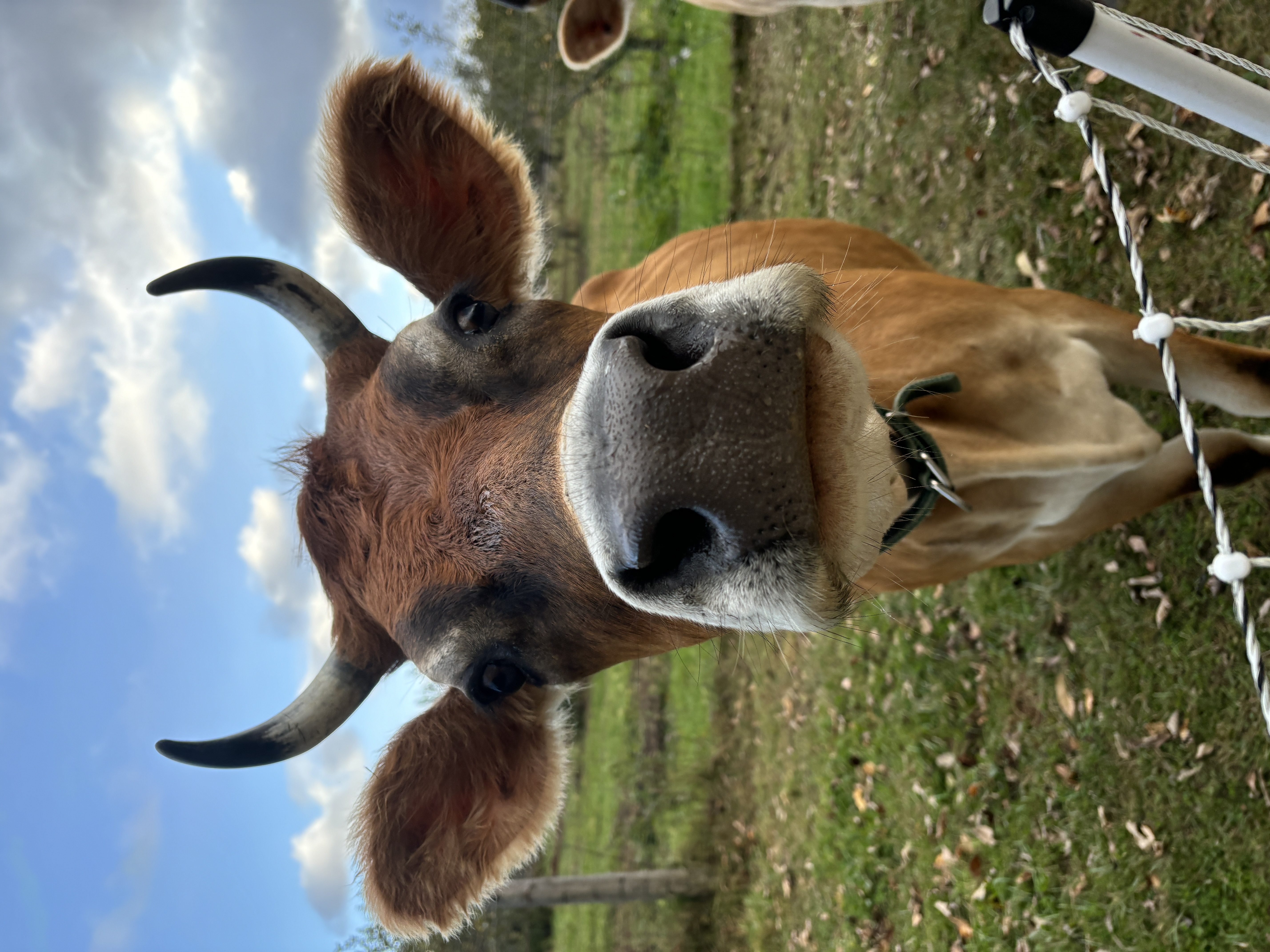
A question that sits at the heart of Ecological Intelligence, a NuVu design studio taught by Coach Ayush Gandhi in collaboration with Morning Glory Farm, is this: What happens when students are asked not just to build technology—but to consider its consequences?
The studio challenged students to explore how artificial intelligence and ecological systems intersect—and how technology might support, rather than disrupt, the delicate balance of a working farm.
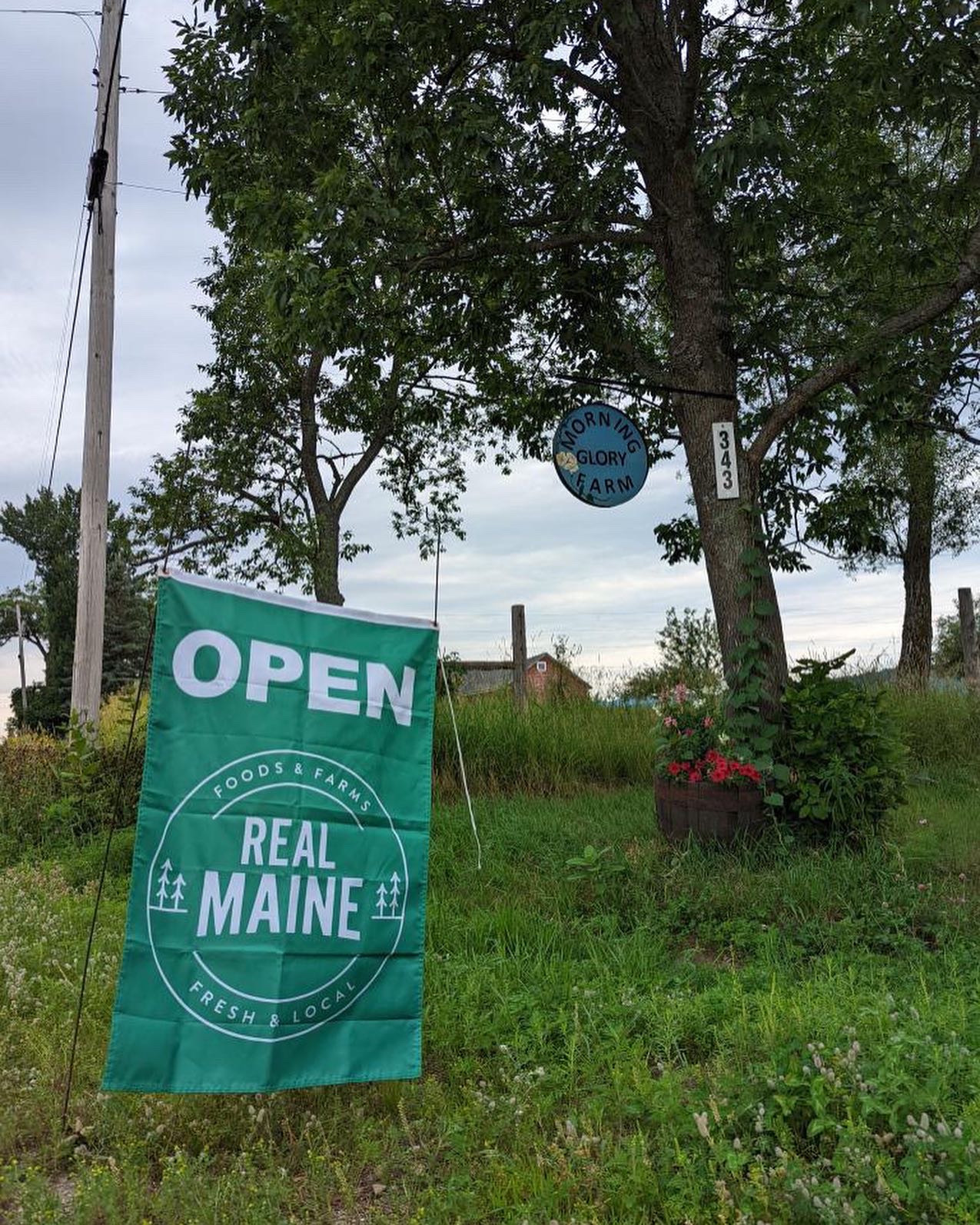
From the start, this was not a hypothetical exercise. Morning Glory Farm, an independent organic CSA farm in West Bethel, Maine, is facing real and growing challenges tied to climate change: unpredictable weather patterns, drought conditions, rising costs, and shifting animal behavior. Rather than arriving with a predefined problem, students began by learning how the farm operates as a system—mapping relationships between soil, water, animals, crops, labor, and climate.
Only after building that understanding did they meet with Christine, who runs the farm.
“I loved hearing the fresh perspectives of the students,” Christine shared. “They were able to think completely outside of the box.”
Learning From a Real Client
Students met with Christine over Zoom several times throughout the studio, asking questions, listening closely, and identifying pain points that weren’t immediately obvious. For many, this was their first experience working directly with a client whose livelihood depends on the systems they were designing for.
Christine noticed that difference right away.
“As someone who approaches farming from an old-school perspective,” she said, “I was impressed by the innovative use of technology to solve some of the problems I face on the farm.”
Rather than treating technology as a catch-all solution, students were asked to think critically about unintended consequences—an essential part of Ayush’s approach to teaching AI.
“Creating a technological solution is easy,” Ayush explained. “The harder part is making sure that solution doesn’t create new problems.”
From Data to Decisions
Throughout the studio, students learned foundational concepts in artificial intelligence and machine learning—data collection, image classification, training models, and bias in datasets—but always through the lens of the farm’s needs.
One team explored how to detect invasive starlings that have begun raiding chicken feed during winter months, driving up costs for the farm. Their challenge wasn’t just building a detection system, but training it well: feeding the model accurate images so it could distinguish between chickens and starlings reliably.
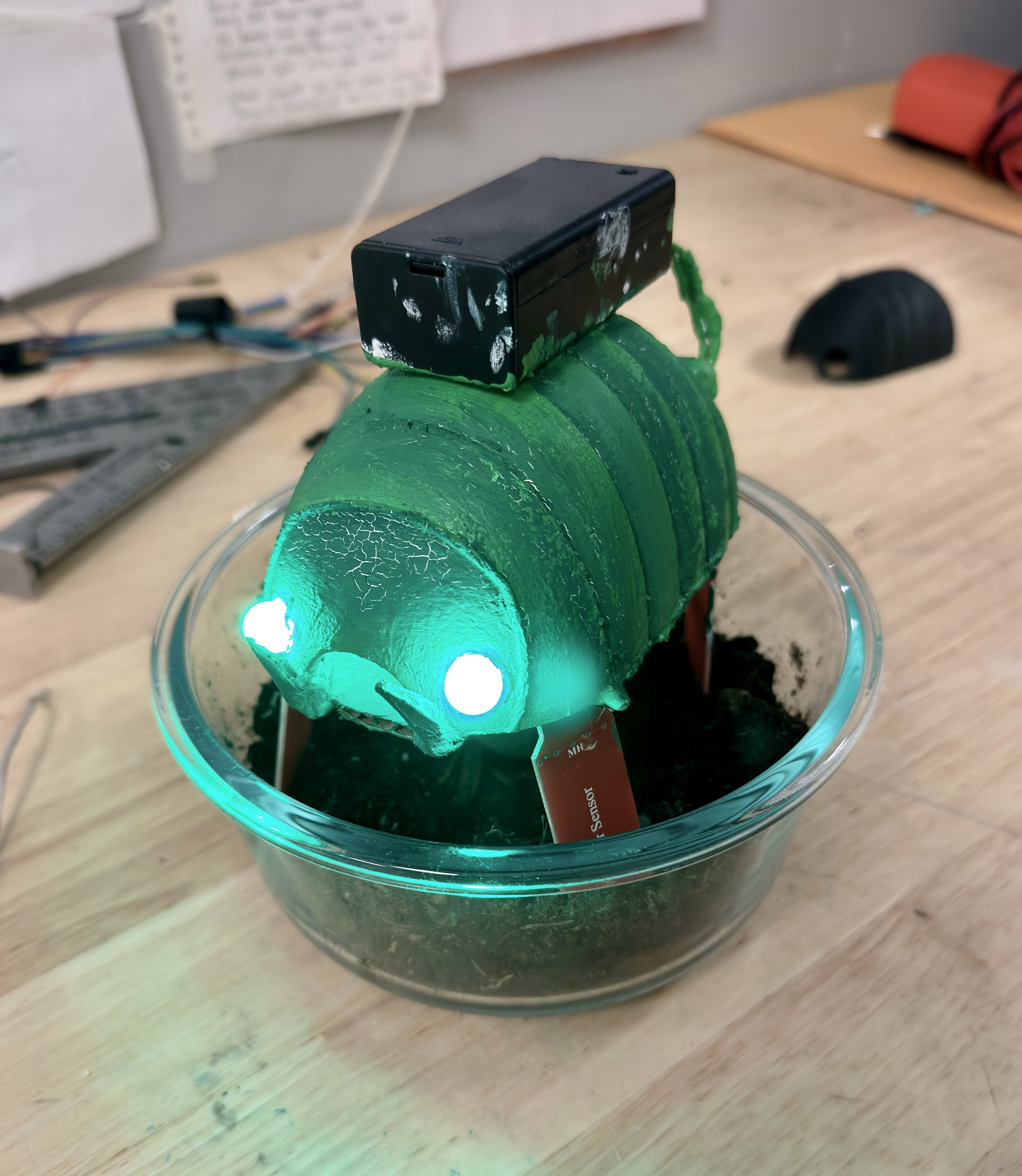
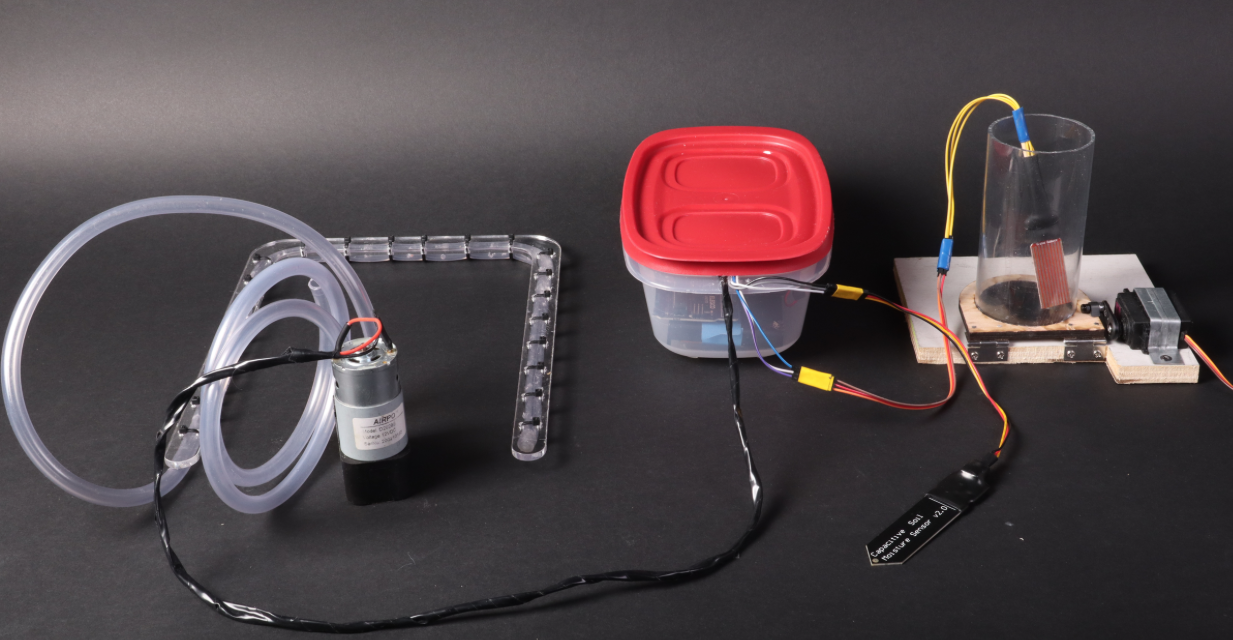
Another group designed a smart irrigation system that combines soil moisture data with rainfall measurements to determine when—and how much—to water different crops. The goal wasn’t automation for its own sake, but conservation: preventing both overwatering and drought stress in an increasingly unpredictable climate.
Other teams tackled challenges like manure handling, and soil health monitoring. One solution that surprised Christine in particular was a robotic manure scooper—practical, unexpected, and potentially transformative.
Building With Care
Across all projects, students worked in pairs to prototype their ideas, test assumptions, revise datasets, and refine designs based on feedback from peers, Ayush, and Christine herself.
What stood out to Christine wasn’t just the ideas, but how naturally students integrated technology into their thinking.
“The ease in which the students worked with technology really impressed me,” she said. “That was true across all of the projects.”
Students learned that AI is never neutral—that every dataset reflects choices, and every model embeds values. Through hands-on experimentation, they saw firsthand how poor data leads to poor outcomes, and why ethical considerations matter as much as technical skill.
A Studio Rooted in Responsibility
For Ayush, the ultimate goal of Ecological Intelligence goes beyond teaching AI.
“My hope is that students learn how to design solutions that fit a specific context,” he said. “Not a one-size-fits-all system, but something grounded in real conditions, real people, and real land.”
Christine plans to continue exploring several of the student proposals after the studio ends—an outcome that underscores the seriousness of the work and the care students brought to it.
“Absolutely,” she said, when asked whether she could see herself moving forward with their ideas.
In Ecological Intelligence, students didn’t just learn how machines make decisions. They learned how people should.
By working with a real farm, confronting climate realities, and designing with humility, students experienced what it means to build technology that listens—to data, to context, and to the world it aims to serve.


